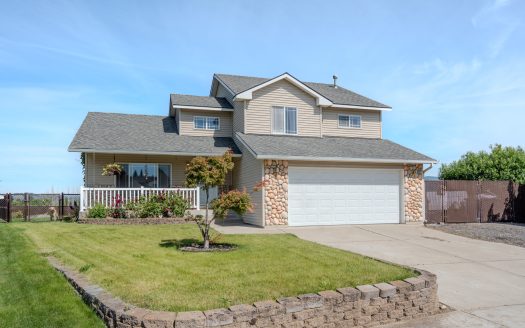
What to Look for When Buying a House: 10 Tips for Buyers and Sellers in Coeur d’Alene Idaho
If you’re thinking about buying a house, first of all, take a deep breath.
House hunting can be exciting, but it can also make you feel like you need to become a part-time plumber, electrician, home inspector, financial expert and neighborhood detective overnight.
And honestly? You don’t.
You just need to know what to look for when buying a house, what questions to ask, and when something deserves a closer look from a professional.
I like to think of buying a home a little like sitting down with a good cup of coffee. You don’t gulp it down just because it smells good. You take a minute, enjoy it, and make sure there isn’t a coffee bean hiding in the bottom of the cup.
The same goes for a house.
That gorgeous kitchen might steal your heart, but what’s happening with the roof? The backyard might be amazing, but can you hear the highway from the patio? And that charming older home might have tons of character, but what about the plumbing, foundation and electrical system?
So, before you fall completely in love with a property, here are 10 things I recommend looking at when buying a house — plus a few things sellers should know if they’re getting ready to put their home on the market.
1. Start With the Roof
Let’s start at the top.
The roof is one of those things most buyers don’t think about until someone tells them it needs to be replaced. Then suddenly, the roof becomes the only thing they can think about.
You may not be able to inspect the roof yourself during a showing, but you can ask some very important questions.
How old is the roof?
What type of roofing material does it have?
Has it been repaired recently?
Are there any known leaks?
Does the seller have documentation from previous roofing work?
You can also look for visible warning signs such as missing, cracked or curling shingles. Inside the house, pay attention to ceilings and walls for yellow or brown water stains.
And if you’re concerned, get a professional roof inspection. A general home inspection is incredibly useful, but it doesn’t necessarily mean every part of the roof has been thoroughly evaluated.
A roof isn’t exactly the place where you want a surprise after closing.
2. Make Sure the HVAC System Actually Works
If you live somewhere with real winters and real summers, you already know how important heating and cooling can be.
A beautiful house isn’t nearly as beautiful when you’re freezing in the living room or sweating through dinner.
When buying a house, find out the age of the HVAC system and ask whether the seller has maintenance records. Look for obvious signs of rust, water damage, cracks or unusual noises.
And here’s a simple house hunting tip: test it.
If you’re touring the house on a warm day, check whether the air coming from the vents actually feels cool. If appropriate, briefly test the heat as well.
You don’t have to become an HVAC technician. You’re simply trying to figure out whether the system appears to be working properly or whether you should have a professional take a closer look.
An older system isn’t automatically a deal-breaker. Sometimes an older HVAC system has been beautifully maintained. That’s why age is just one piece of the puzzle.
3. Look Closely at the Plumbing
Plumbing is another area where a little investigation can save you a lot of headaches.
Turn on faucets. Run the water. Flush the toilets. Check under sinks for moisture or staining.
And yes, you are allowed to flush the toilet during a home showing.
Please flush the toilet.
You might feel a little awkward doing it, but discovering a problem before you buy the house is considerably less awkward than discovering it after you’ve moved in.
Pay attention to water pressure, drainage and whether the hot water actually gets hot.
If the house is older, ask about the sewer line. Depending on the property’s age and condition, a sewer inspection may be worth considering.
Also take a look at the water heater. Check its age and condition, and listen for unusual noises when it operates.
These aren’t glamorous parts of house hunting, but they’re important parts of a home buying checklist.
4. Watch for Water Damage and Mold
Water can be a homeowner’s best friend when it’s coming out of the faucet.
It’s a very different story when it’s coming through the ceiling.
Look carefully for water stains on ceilings, walls and floors. Check basements, crawl spaces and areas underneath sinks. Pay attention to musty or damp smells.
Mold can sometimes be associated with ongoing moisture problems, so don’t just think about removing the mold. You also want to understand where the moisture is coming from.
If you notice something suspicious, bring it up with your agent and home inspector.
This is one of those situations where it’s better to ask one extra question than wish you had asked it later.
5. Don’t Forget About the Neighborhood Noise
Here’s one of my favorite home buying tips: don’t just inspect the house.
Inspect the neighborhood.
A house can look perfectly peaceful at two o’clock on a Tuesday afternoon and feel completely different during rush hour, on a busy weekend or when the neighbors are home.
Is the property near a major road?
How close is it to railroad tracks?
Is there an airport nearby?
Are there businesses that create traffic or noise?
Are there barking dogs next door?
If you’re buying a condo or townhome, can you hear the neighbors through the walls?
If you really like the house, consider visiting the area at different times of day.
Because you aren’t just buying four walls and a roof. You’re buying the lifestyle that comes with the location.
And trust me, it’s much easier to discover the neighborhood noise before you move in than after.
6. Look at the Foundation and Exterior
Here’s another big one: the foundation.
Foundation problems can be expensive, so you want to pay attention to anything that looks unusual.
Some things worth asking about include:
Cracks in the foundation
Large cracks in drywall or ceilings
Doors or windows that don’t open and close properly
Gaps around doors or windows
Uneven or sloping floors
Sunken porches or stairs
Bulging or bowing foundation walls
Now, don’t panic every time you see a crack.
Homes settle. Some cracks are relatively minor, while others can point to bigger structural issues. That’s exactly why a qualified home inspector is so valuable.
The goal isn’t to diagnose the problem yourself.
The goal is to notice something that deserves a professional opinion.
7. Test the Appliances and Electrical Outlets
That beautiful refrigerator may look like it belongs in a magazine, but does it actually work?
If appliances are included with the home, test them when appropriate.
Check the dishwasher. Look at the oven. Test the refrigerator. Make sure the washer and dryer operate if they’re included.
You should also check electrical outlets.
One of my favorite little tricks is to bring your phone charger when you’re touring homes. Plug it into a few outlets and see what happens.
It sounds ridiculously simple, but you’re buying a house, not a pretty picture on a listing website.
You want the stuff inside the house to actually work.
And if you discover electrical problems, let a qualified professional investigate them. Electrical issues aren’t something I’d recommend trying to diagnose yourself with a YouTube video and a screwdriver.
8. Make Sure the House Fits Your Budget
Now we’re getting into one of the biggest mistakes I see buyers make.
They fall in love with the house before falling in love with the payment.
Don’t do that.
A house can have the perfect kitchen, the perfect backyard and the perfect little office you’ve always wanted. But if the monthly payment makes you nervous every time you open your banking app, it isn’t the perfect house.
Before you start seriously shopping, know what you’re comfortable spending each month.
Think beyond the mortgage payment. Consider property taxes, homeowners insurance, HOA fees if applicable, maintenance, utilities and the inevitable things that eventually break.
Because something will break.
That’s homeownership.
The goal isn’t to buy the biggest house you can technically qualify for.
The goal is to buy a house you can comfortably afford while still having a life outside of your mortgage.
9. If You’re Selling, Prepare the House Before You List It
Now let’s flip the coffee cup over and talk about selling.
If you’re selling a house, remember that buyers are going to be looking at all the same things we’ve been talking about.
They’re going to notice the roof.
They’re going to wonder about the HVAC.
They’re going to look under the sinks.
They’re going to notice the cracked trim, dripping faucet and door that sticks every time you open it.
Before listing your home, walk through it with fresh eyes.
Better yet, ask your real estate agent what they would address before putting it on the market.
A pre-sale home inspection can sometimes help identify problems before a buyer finds them. You don’t necessarily have to fix everything you discover, but knowing what you’re dealing with gives you more information when deciding how to price and market the property.
And don’t forget the boring little things.
Fix the dripping faucet.
Replace the burned-out light bulb.
Repair the loose door handle.
Touch up the paint.
Clean the windows.
You’d be amazed how quickly small maintenance issues can make buyers wonder what other things haven’t been maintained.
10. Make Buyers Want to Stay for a Cup of Coffee
This might be my favorite selling tip.
When someone walks into your home, you want them to be able to imagine living there.
That’s where cleaning, decluttering, staging and curb appeal come in.
You don’t necessarily need to remodel your entire kitchen or spend a fortune making the house look like a magazine spread.
Start with the basics.
Clear off the kitchen counters.
Remove excess furniture.
Pack away personal items.
Deep clean the bathrooms.
Make the beds.
Clean the windows.
Tidy the garage.
Take care of the yard.
Make the front entrance inviting.
The goal is to create a home where buyers can picture themselves living.
Good home staging isn’t necessarily about making your home look fancy. It’s about helping buyers see the space, understand how it works and imagine their own life there. Current NAR guidance emphasizes decluttering, cleaning, neutral presentation and thoughtful staging as useful ways to make a property more appealing to buyers.
Don’t Forget About Pricing Your Home
There’s one more piece of the selling puzzle that deserves its own conversation: price.
You can have the cleanest, prettiest, most beautifully staged house in town, but if the price doesn’t make sense for the market, buyers are going to notice.
Pricing a home isn’t about choosing the number you wish it were worth.
It’s about looking at comparable homes, location, condition, upgrades, size and what buyers are actually willing to pay.
Your agent can help you understand how those factors come together when determining a listing price.
N
National Association of Realtors
And remember, the goal isn’t necessarily to have the highest price on the internet.
The goal is to attract the right buyer and get the home sold on terms that make sense for you.
The Biggest Red Flags to Watch For
If you’re buying a house, here are some of the things I’d put on your mental red-flag list:
An aging or visibly damaged roof
HVAC problems, water damage or unusual sounds
Plumbing leaks or poor drainage
Sewer problems
Signs of ongoing water intrusion
Musty smells or suspected mold
Significant foundation cracks or movement
Non-working appliances
Electrical problems
Excessive neighborhood or road noise
A home that simply doesn’t fit your budget
None of these automatically means you should walk away.
That’s important.
A house can have a problem and still be a good house.
The question is: What will the problem cost to fix, how serious is it, and does the price of the home make sense considering its condition?
That’s where your agent, inspector and other qualified professionals can become incredibly valuable.
The Home Inspection Is Your Friend
I know home inspections aren’t exactly exciting.
Nobody sits around drinking coffee thinking, “You know what would make this afternoon perfect? A 40-page report about the crawl space.”
But the inspection can be one of the most valuable parts of the buying process.
A good inspector can identify issues you may never notice during a normal showing.
That doesn’t mean you should expect a perfect report. No house is perfect.
The goal is to understand what you’re buying.
Once you know what you’re dealing with, you can make a much more informed decision about whether to move forward, negotiate repairs or reconsider the property.
Buying a House Should Feel Exciting, Not Terrifying
At the end of the day, buying a house is a big deal.
It’s okay to be excited.
It’s okay to be nervous.
And it’s definitely okay to ask a million questions.
The biggest thing I want buyers to remember is this: don’t let the pretty stuff distract you from the important stuff.
Look past the fresh paint.
Look past the granite countertops.
Look past the perfectly staged living room.
Look at the roof.
Look at the HVAC.
Check the plumbing.
Pay attention to water damage.
Look at the foundation.
Listen to the neighborhood.
Test the outlets.
And most importantly, make sure the house fits your life and your budget.
Because the best house isn’t necessarily the biggest one, the newest one or the one with the fanciest kitchen.
It’s the one that works for you.
And if you’re selling, remember that the same details buyers are looking at are the details you should be thinking about before you list.
Take care of the obvious repairs, clean things up, make the home easy to imagine living in, price it thoughtfully and let your agent help you put together a strategy.
At the end of the day, whether you’re buying or selling, real estate is about people.
It’s about finding the right place, making smart decisions and hopefully ending the process with a house that feels like home.
Now, if you’ll excuse me, I think my coffee is getting cold.